Kelley's Sewage Cleanup
Lorimor, IA · 50149 Basements · Bathrooms · Crawl Spaces · Businesses

Sewage Backup Cleanup in Lorimor, IA Near Me

When drains push sewage back into the house, a local crew pumps it out, strips wet materials and disinfects what stays.

Sewage Backup Cleanup
Local Cleanup Crews
Category 3 Procedures
Homes and Businesses

A sewage backup usually shows up at the lowest drain in the house first: a basement floor drain, a lower-level shower or a toilet that won't stop rising. If that is happening now in Lorimor, IA, stop running water upstairs and call us. We connect you with a local crew that handles sewage backup cleanup from extraction to drying.

Signs the backup is in the drain line

One slow sink is a clog. Several fixtures acting up at once points to the main line. Watch for:

  • Gurgling from a toilet when the washing machine drains
  • Water rising in the tub when you flush
  • Dark water around a floor drain after heavy rain
  • A sewer smell that comes and goes near a lower-level drain

Any of these means the water has nowhere to go but back up. A backup through a tub is common enough that we cover it on its own page for bathtub sewage backups.

How the cleanup goes

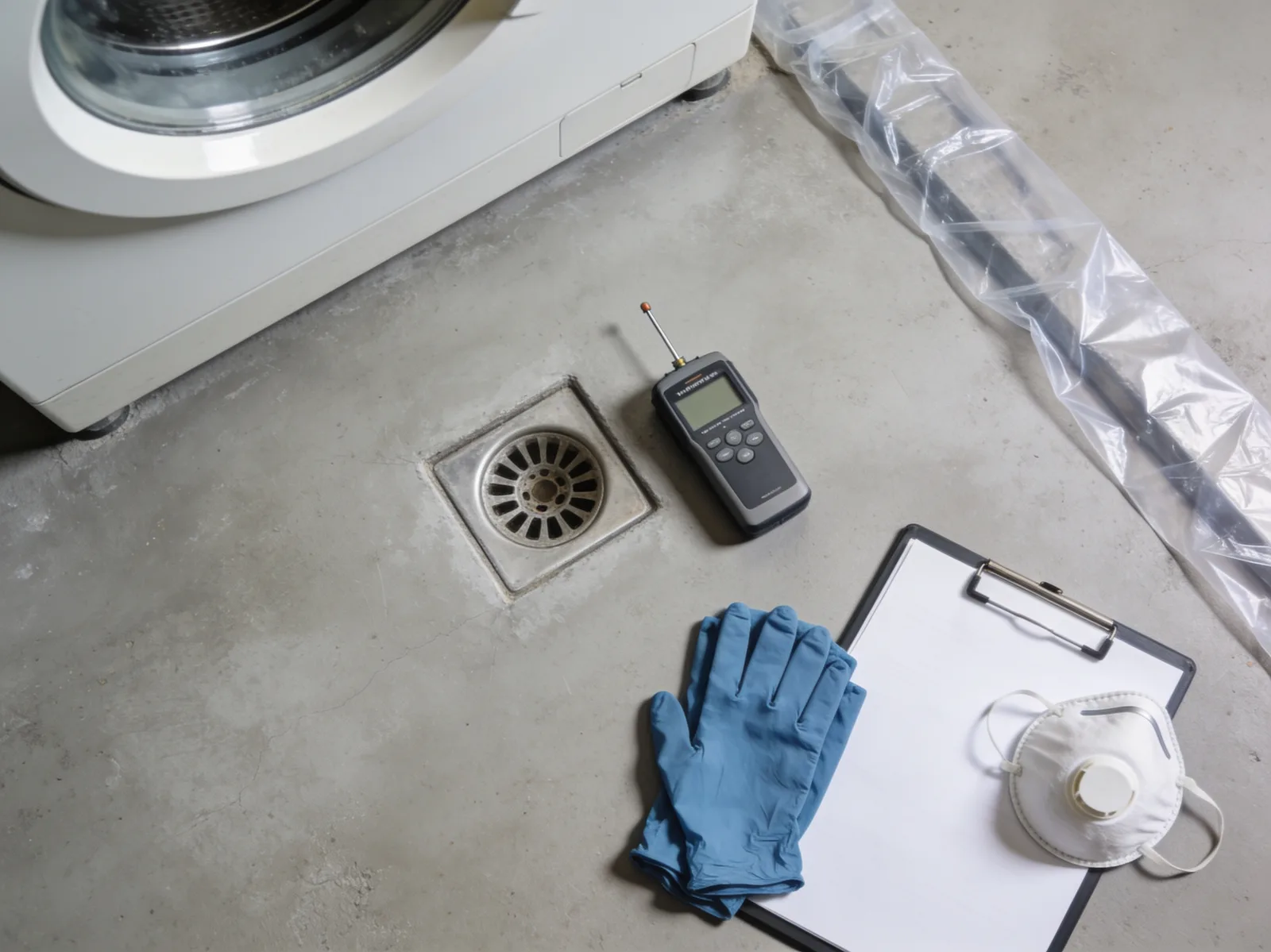
The crew suits up in gloves, boots and respirators, then extracts the standing water. Anything soft that sat in it, such as rugs, carpet pad and boxes, gets bagged. Baseboards come off so the crew can see whether water got behind the wall. Hard floors are scrubbed, then treated with disinfectant and given time to work before rinsing. Drying equipment stays in place for several days, and moisture readings get logged each visit so you know when the structure is actually dry, not just dry to the touch.

Repeat backups

Backups that keep happening usually have a physical cause in the line. Roots in clay pipe, a sagging section of pipe, grease buildup or a municipal main that surcharges in storms are the usual suspects. Pinning that down may take a plumber with a camera, and the cleanup crew can share what they observed. If the water is coming from the street side, the page on sewer backup cleanup covers the city line angle. Some homes add a backwater valve afterward, which is a question for a plumber. Note when the backups happen, after laundry, after storms or at random, since that pattern helps whoever diagnoses the line.

Insurance and records

Many standard homeowner policies exclude sewer backup unless a specific endorsement was added. Check your declarations page. Either way, take photos before anything is moved, keep a list of discarded items and ask the crew for their moisture logs. That paperwork helps whether or not a claim is filed. If the smell lingers after the work, look at sewage odor removal.

Call (217) 404-1483 and we will connect you with a crew that does sewage backup cleanup in Lorimor, IA.
How cleanup works

Four steps to a clean, dry space in Lorimor, IA

01

Stop the water

Shut off every fixture, keep kids and pets out, and take photos from a dry spot. Then call and tell us where the sewage is.

02

Get matched with a crew

We connect you with a local sewage cleanup crew covering Lorimor, IA and you go over the scope, timing and price with them.

03

Extract and remove

The crew pumps out the sewage, bags solids and cuts out carpet, pad and drywall that soaked it up.

04

Disinfect and dry

Hard surfaces get cleaned and disinfected, then air movers and dehumidifiers run until moisture readings show dry.

Coverage

Sewage Cleanup Across Lorimor, IA

Sewage backup cleanup across the neighborhoods and ZIP codes around Lorimor, IA.

ZIP codes we serve

50149
Sewage Backup Cleanup in Lorimor, IA

Sewage cleanup FAQs

Frequently asked questions about sewage cleanup

Questions we hear most about Sewage Backup Cleanup in Lorimor, IA.

Talk to a real person
How much does sewage cleanup cost in Lorimor, IA?
<p>There isn't a single number, because the price is built from the job itself. The big drivers are the square footage affected, how deep the water got, how long it sat, and how much material has to be torn out and hauled away. Finished basements with carpet and drywall cost more than bare concrete. Drying days, containment and disinfection add to it. A crew can only price it after seeing the space and taking moisture readings, so ask them to walk you through each part of the <a href="/services/sewage-damage-cleanup">damage cleanup</a> scope.</p>
How long does sewage cleanup take?
<p>Extraction and tear-out usually happen in the first day or so. Drying is the longer part. Most structures need three to five days with air movers and dehumidifiers running, sometimes more in a humid basement or with thick materials like hardwood subfloor. The crew should take moisture readings each visit and leave the equipment until materials reach dry targets. Rebuilding comes after that and depends on the contractor. A small toilet overflow on tile can be done much faster than a finished basement.</p>
Why is sewage coming up through my basement floor drain?
<p>The floor drain is usually the lowest opening on the drain system, so when the main line can't carry the flow, water comes out there first. The cause is downstream: roots in the lateral, a sag in the pipe, grease buildup, or a city main that surcharges during heavy rain. Finding it is plumber work, often with a camera. The cleanup of the slab and anything around it is covered on our page for <a href="/services/floor-drain-backup-cleanup">floor drain backup cleanup</a>.</p>
Is it safe to stay in the house after a sewage backup?
<p>It depends on how much of the house is affected. Many families stay home when the backup is limited to a basement or one bathroom that can be closed off. Keep children, pets and anyone vulnerable out of the affected area, and don't walk through it without boots and gloves. If sewage reached living areas, the HVAC returns or the only bathroom, staying elsewhere for a few days may make more sense. The crew can tell you which areas are off limits while they work.</p>
Does drywall have to be removed after a sewage backup?
<p>Drywall that absorbed sewage is usually removed. Gypsum and its paper facing soak up water and wick it upward, and contaminated drywall can't be reliably disinfected. Crews measure the wet line with a moisture meter and make a flood cut a foot or more above it. Insulation inside the wall comes out too. The studs usually stay, and get cleaned, disinfected and dried before new drywall goes up. Details are on our page for <a href="/services/sewage-damaged-drywall-removal">sewage damaged drywall removal</a>.</p>

Book sewage cleanup

Sewage Backup in Lorimor, IA? Call now.

Tell us where the sewage is and we connect you with a cleanup crew covering Lorimor, IA. Scope, timing and price are gone over on the call. (217) 404-1483.

Call (217) 404-1483 Services